

Story Tapestries addresses vital community issues for millions of people of all ages and abilities using collaboration and the arts, in all forms, to create and deliver tailored, accessible programs.
Mission:
To use the arts as a powerful tool to create accessible, open spaces and opportunities for individuals to reach their highest potential and to work together for a more inclusive community.
Story Tapestries accomplishes this by:
- Centering literary expression—storytelling, poetry, spoken word, and narrative writing—as a bridge between artists and audiences, with writing and narrative grounding all programs, even across disciplines;
- providing innovative, custom-designed performances, workshops and hands-on community and educational experiences showcasing professional literary, performing and visual artists;
- designing programs that develop skills, connect individuals, elevate diverse voices and celebrate youth, families, adults, and seniors; and
- engaging and impacting individuals where they live, work and thrive.
Vision:
To give individuals access to tools and resources that use the arts as a vital form of communication for expression, skills development, enhancement of community connections and celebration of unique voices and stories.
Value Proposition:
Story Tapestries addresses vital community issues for millions of people of all ages and abilities using collaboration and the arts, in all forms, to create and deliver tailored, accessible programs.
Value Statement:
With a respect for the needs of those supporting and collaborating with the organization, Story Tapestries strives to bring fiscally responsible, innovative, culturally-sensitive programming to all generations.
Our History:
Arianna Ross, Founder of Story Tapestries, believes in the power of stories to change communities. Her mantra that guides our mission: “It is through the laughter and tears of our tales that the lessons of life are learned.”
Arianna began in the world of performance as a theatre actress and director. She studied and performed for two and a half years with Bansi Kaul and his troupe, Rang Vidushak, in India. Bansi Kaul’s plays merged traditional tales and historical facts with political issues to highlight who and what needed to change in order for people to work together and rise above their circumstances. Arianna learned how to craft powerful stories that create the space for people to listen, laugh and cry and to always keep at the heart of stories the child, the oppressed, the innocent, the ones who feel as though they don’t have a voice in society. Bansi Kaul taught Arianna to empower the audience with every show or workshop to find their story and learn to speak their mind. Arianna’s time in

India impacted the way she performed, devised plays, directed, taught and ultimately led her to found Story Tapestries.
Every Story Tapestries Master Teaching Artist has more than a decade of experience using the arts (performing, visual, creative writing, and more) as the vehicle to teach reading, writing, STEAM, problem-solving, collaboration**,** and critical thinking. We have done this through artist-in-residencies in schools, community performances, and festivals, professional development workshops and family engagement events. We’ve worked with many distinguished organizations including The Kennedy Center, Young Audiences of Maryland (YAMD), Washington Performing Arts (WPA), Wolf Trap and the Strathmore Performing Arts Center.
Since obtaining 501c3 status in 2010, Story Tapestries has reached over 1 million people in over 1,300 venues, primarily in communities with limited economic capacity and limited access to arts and arts education opportunities. Our aim is to establish community coalitions of organizations and individuals prepared to support meaningful, long-lasting arts-based programs.
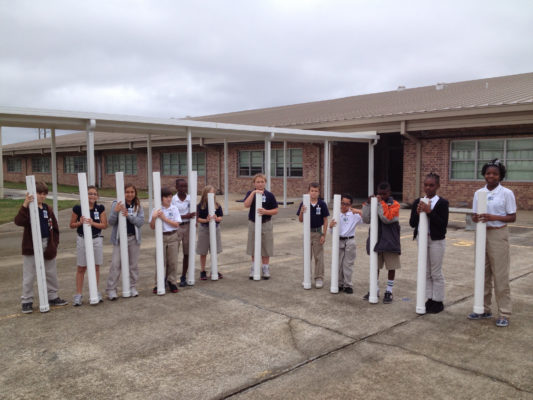
Story Tapestries reaches out into communities and brings together partners from schools – teachers, students, administrators and families – and connects them with businesses, foundations, government agencies, arts organizations and other interested parties from their local community. These coalitions help communities design long-term programs to support improvement in such areas as school attendance and graduation rates, employment rates, housing stability, job retention, incarceration rates, and participation in community events. In addition, these coalitions achieve more intangible benefits such as creating a sense of belonging and opening communication channels that help people feel heard and understood.